Acne can often feel like an unwelcome companion, affecting not just your skin but also your confidence and self-esteem. For many, the journey to clear skin is filled with frustration as they navigate through countless products, treatments, and advice that may not suit their individual needs.
Creating a personalized acne treatment plan
is essential for anyone looking to achieve lasting results and reclaim their skin's health. In today’s world, where information is abundant yet often overwhelming, it can be challenging to determine the most effective approach for your unique skin type and lifestyle.While generic solutions abound, understanding the intricacies of your own skin condition is crucial in developing a strategy that works specifically for you. This article will guide you through the key components of crafting your unique acne treatment plan, taking into account factors such as skin type, severity of acne, and lifestyle habits. Join us on this journey as we explore the various elements that contribute to an effective acne management strategy. From identifying triggers and selecting suitable products to incorporating professional guidance, we’ll provide you with the insights needed to create a tailored plan that not only targets existing blemishes but also prevents future outbreaks. Many people struggle with acne, a condition that can significantly affect self-esteem and confidence.
The journey to clear skin often feels overwhelming, especially when the solutions seem generic and ineffective. However, the truth is that creating a personalized acne treatment plan is essential for achieving lasting results. Each individual's skin is unique, influenced by various factors that necessitate a tailored approach to effectively manage and treat acne. One of the primary contributors to acne is hormonal imbalances. Hormones play a crucial role in regulating oil production in the skin, and fluctuations—especially during puberty, menstrual cycles, or stress—can lead to increased sebum production, clogged pores, and ultimately, breakouts.
Understanding how these hormonal changes affect the skin is vital in developing a treatment plan that addresses the root cause of acne. Another factor to consider is dietary influences. Recent studies suggest that certain foods may exacerbate acne conditions. For instance, high-glycemic-index foods, dairy products, and sugary snacks have been associated with increased acne flare-ups. A well-rounded approach that includes dietary modifications can complement topical and medical treatments, leading to more effective management of acne. The type of skin also plays a significant role in how acne manifests and how it should be treated.
Oily skin types may benefit from treatments focusing on reducing excess oil production, while dry or sensitive skin types might require gentler approaches to avoid irritation. Recognizing one’s skin type is crucial in creating a personalized acne treatment plan that considers individual needs. In addition to lifestyle and hormonal factors, professional treatments available at medical spas offer advanced solutions for managing acne. Services such as chemical peels, laser therapy, and customized skincare regimens can effectively target acne concerns. Chemical peels work by exfoliating the upper layers of skin, helping to unclog pores and reduce inflammation.
Meanwhile, laser therapy can target deeper layers of skin to reduce bacteria and promote healing without damaging the surface. Combining different treatments often yields the best results. For example, someone with persistent cystic acne may benefit from both chemical peels and laser therapy to address both the superficial and deeper causes of their breakouts. A personalized regimen created with the guidance of a skincare professional can outline how these treatments can work together to combat specific concerns while minimizing potential side effects. Consulting with a dermatologist or skincare professional is paramount in assessing individual needs. They can provide insights into the most effective treatment options based on one's skin type, lifestyle factors, and specific acne concerns.
Furthermore, they can debunk common misconceptions surrounding med spa treatments, emphasizing their safety and effectiveness when performed by trained professionals. Many individuals have shared their success stories after embracing personalized plans for managing their acne. For instance, one client recalled feeling hopeless after trying numerous over-the-counter products without success. After consulting with a dermatologist and establishing a tailored treatment plan that included regular chemical peels and dietary adjustments, they experienced significant improvements in their skin's appearance and texture. Such testimonials highlight the transformative power of individualized approaches to acne treatment. In conclusion, while the journey to clear skin may seem daunting, understanding the various factors contributing to acne and recognizing the importance of creating a personalized treatment plan can make all the difference.
By embracing a comprehensive strategy that includes professional treatments, lifestyle changes, and expert guidance, individuals can regain confidence and achieve healthier skin.
Understanding Acne: Causes and Triggers
Acne is a common skin condition that affects individuals of all ages, often leading to emotional distress and a decline in self-esteem. To effectively tackle acne, it is essential to understand its underlying causes and triggers.Hormonal changes
play a significant role in the development of acne, particularly during puberty, menstruation, pregnancy, and hormonal disorders. These fluctuations can increase the production of sebum, an oily substance that can clog pores and lead to breakouts. Additionally, genetics can influence an individual's susceptibility to acne.If your parents struggled with acne, you may be more likely to experience it as well. Understanding your family history can help identify potential risks and inform your treatment plan. Moreover, lifestyle factors such as diet, stress levels, and skincare routines can also contribute to the occurrence of acne. Consuming a diet high in processed foods and sugars may exacerbate inflammation, while high-stress levels can trigger hormonal imbalances that worsen acne. Evaluating these lifestyle elements can provide valuable insights into managing your skin effectively. By recognizing the multifaceted causes of acne, you can better appreciate the importance of a personalized treatment plan that addresses these specific factors tailored to your unique skin needs.
Creating Your Personalized Treatment Plan
Creating a personalized acne treatment plan is essential for effectively managing your skin condition.The journey begins with consultations with a dermatologist or skincare professional who can assess your unique skin type, acne severity, and any underlying issues. During this initial consultation, it’s important to discuss your medical history, lifestyle, and any previous treatments you have tried. After the consultation, the next step involves developing a tailored treatment strategy. This plan may include a combination of topical treatments, oral medications, and lifestyle modifications aimed at reducing acne flare-ups. Your dermatologist might recommend specific ingredients such as benzoyl peroxide, salicylic acid, or retinoids, depending on your skin’s needs. Follow-up appointments are crucial for monitoring your progress and making necessary adjustments to your treatment plan.
Acne management is not a one-size-fits-all approach; it requires ongoing evaluation and modification to achieve optimal results. During these follow-ups, be open about any side effects or concerns you may experience with your current treatment. Lastly, maintaining a consistent skincare routine that aligns with your personalized treatment plan is vital. This includes cleansing, moisturizing, and protecting your skin from sun damage while avoiding harsh products that could exacerbate your acne.
Med Spa Treatments for Acne
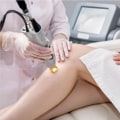
When it comes to managing acne effectively, med spa treatments offer a range of advanced options that can significantly improve your skin's condition. These treatments are tailored to address individual skin concerns and can complement your personalized acne treatment plan. One popular option is laser therapy, which utilizes focused light to target and reduce acne-causing bacteria.This treatment not only helps in clearing active breakouts but also minimizes the appearance of scars, giving your skin a smoother texture. Another effective treatment is microneedling. This procedure involves using fine needles to create tiny punctures in the skin, stimulating collagen production and promoting skin regeneration. Microneedling can enhance the absorption of topical treatments, making it an excellent addition to your acne management regimen.
Chemical peels
are also widely used in med spas to treat acne. These peels involve applying a chemical solution to the skin, which exfoliates the top layers and unclogs pores.Depending on the strength of the peel, you can achieve varying degrees of exfoliation, making it suitable for different skin types and acne severity. By exploring these med spa treatments, you can take proactive steps toward achieving clearer skin while working on your personalized acne treatment plan.
Maintaining Healthy Skin Post-Treatment
Once you have created a personalized acne treatment plan and seen improvements, the next crucial step is maintaining healthy skin post-treatment. This phase is essential to ensure that your skin remains clear and to prevent future breakouts. Here are some effective tips for ongoing skincare routines and lifestyle changes:1.Establish a Daily Skincare Routine: Consistency is key in skincare. Develop a daily routine that includes cleansing, toning, moisturizing, and applying sunscreen.Use products that are suitable for your skin type and specifically formulated for acne-prone skin to help maintain your results.
2.Use Non-Comedogenic Products:
When selecting skincare and makeup products, opt for those labeled as non-comedogenic. These products are less likely to clog pores, reducing the risk of future breakouts.3.Stay Hydrated:
Drinking plenty of water is vital for overall health and can help keep your skin hydrated from the inside out. Aim for at least 8 glasses of water a day to help maintain your skin's elasticity and moisture levels.4.Follow a Balanced Diet:
Incorporate a diet rich in fruits, vegetables, whole grains, and lean proteins. Foods high in antioxidants, such as berries and leafy greens, can promote healthy skin.Limit your intake of processed foods and sugar, which can trigger inflammation and breakouts.
5.Manage Stress Levels:
Stress can exacerbate acne, so it's important to find effective ways to manage stress. Consider incorporating relaxation techniques such as yoga, meditation, or deep breathing exercises into your daily routine.6.Regularly Exfoliate:
Exfoliation helps remove dead skin cells that can clog pores. Use gentle exfoliants 1-2 times a week to keep your skin smooth and prevent buildup.7.Avoid Picking or Squeezing:
It might be tempting to pick at blemishes, but doing so can lead to scarring and more severe breakouts. Instead, let your treatment products do their job without interference.8.Schedule Regular Dermatologist Visits:
Regular check-ins with a dermatologist can help monitor your skin's health and make necessary adjustments to your treatment plan as needed. By following these tips and making mindful lifestyle changes, you can significantly reduce the chances of future breakouts and maintain the healthy skin you’ve worked so hard to achieve. In this article, we explored the multifaceted nature of acne and its profound impact on personal confidence and self-esteem.We emphasized that creating a personalized acne treatment plan is essential, as each individual has unique skin characteristics and needs. Understanding the underlying causes and triggers of acne, as well as considering various med spa treatments for acne, can significantly enhance your journey toward clearer skin. We also highlighted the importance of maintaining healthy skin post-treatment to ensure long-lasting results. By adopting a tailored approach, you can address your specific challenges effectively. We encourage you to seek professional guidance from reputable med spas to craft an effective plan that caters to your skin's requirements. Remember, taking the time to develop a personalized treatment strategy is key to achieving the clear, healthy skin you desire.